Data & Tools · September 23, 2024 · 8 min read
Why Algorithmic Trading Basics Matter for Every Trader
Algorithmic trading has become increasingly popular in recent years, transforming the way traders approach the financial markets. It's a fascinating subject that combines finance with technology, and understanding its basics can be incredibly beneficial for any trader, novice or experienced. In this blog post, we'll explore the importance of algorithmic trading basics and delve into why every trader should be familiar with them.
What is Algorithmic Trading?
Algorithmic trading involves using computer algorithms to automate trading decisions, execute trades at optimal times, and manage portfolios. These algorithms are designed to follow precise instructions for trading, encompassing various strategies and conditions. By leveraging complex mathematical models, algorithms can process vast amounts of data much faster than a human ever could. This not only increases the speed and efficiency of trading but also aims to eliminate the emotional and psychological biases that can cloud a trader's decision-making process.
Take, for instance, a simple algorithm that buys a stock when its 50-day moving average exceeds its 200-day moving average and sells when the opposite occurs. Such rules can be automated using a computer program, allowing trades to be executed without the need for human intervention. This means that traders can rely on algorithmic models to react to market conditions instantaneously, ensuring that they never miss a trading opportunity. Furthermore, algorithmic trading can handle multiple markets and trading instruments simultaneously, providing a level of diversification and complexity that manual trading can't match.
For those new to this concept, it's worth exploring resources like Basics of Algorithmic Trading: Concepts and Examples which provides a deeper understanding of how these algorithms work and the various strategies involved. Essentially, algorithmic trading offers a systematic, disciplined, and adaptive approach to trading, which is why it's becoming an indispensable tool for modern traders.
The Evolution of Trading: From Manual to Automated
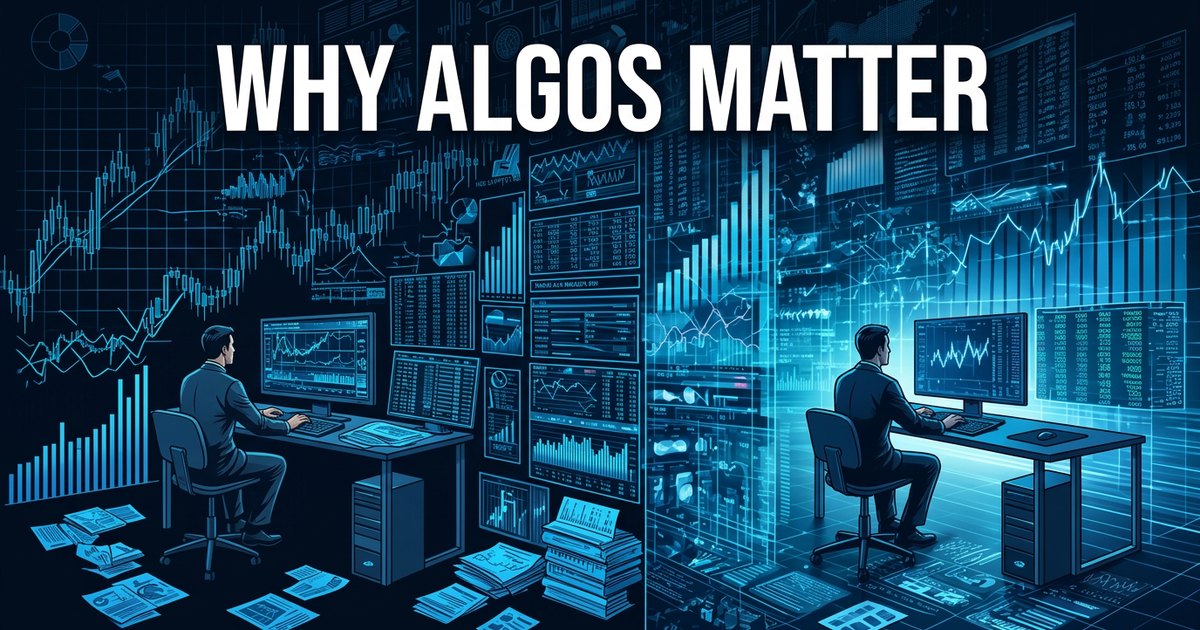
The transition from manual to automated trading has revolutionized the financial industry. Traditional methods involved a lot of guesswork and manual effort, whereas algorithmic trading brings precision and speed to the table, minimizing human error and maximizing efficiency. In the past, traders relied heavily on their instincts and manual charting to make decisions. This process was not only time-consuming but also prone to mistakes and emotional biases.
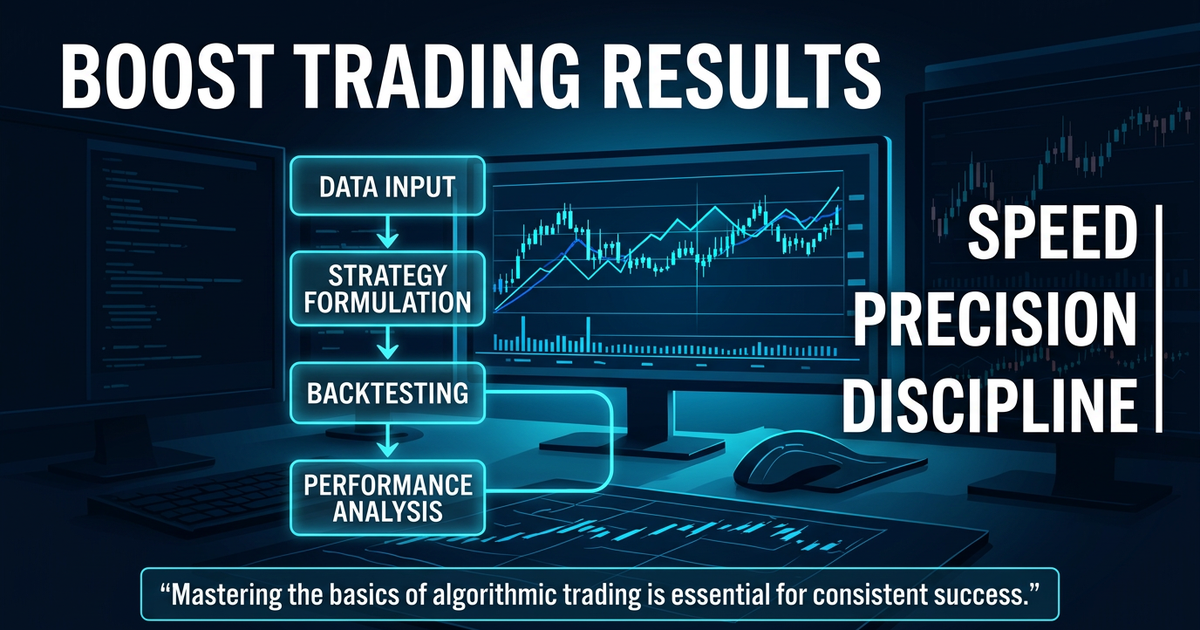
With the advent of computers and advanced algorithms, the landscape of trading changed dramatically. High-frequency trading (HFT) emerged, allowing trades to be executed in microseconds. This increased speed has greatly enhanced liquidity and reduced the spread between the bid and ask prices. Moreover, the ability to back-test strategies using historical data ensures that the algorithms are robust and can withstand different market conditions. For a deeper dive into this, check out the Top 10 Blogs on Algorithmic Trading.
It's also worth noting the regulatory aspects of algorithmic trading, which have been put in place to manage the risks associated with such high-speed transactions. These regulations ensure that the markets remain fair and that the impact of any potential glitches is minimized. As the technology continues to advance, the role of algorithmic trading will only become more integral to the financial markets.
Benefits of Algorithmic Trading
Algorithmic trading offers numerous benefits, including increased execution speed, reduced costs, enhanced accuracy, and the ability to back-test strategies using historical data. These advantages make it a powerful tool for traders looking to optimize their trading performance. One of the most significant benefits is the reduction in transaction costs due to the ability to execute trades at the most favorable prices.
Another critical advantage is the elimination of human error and emotional biases. By automating the trading process, algorithms ensure that trades are executed based on pre-defined criteria, reducing the chances of impulsive decisions that can lead to losses. Additionally, the ability to perform high-frequency trades allows traders to capitalize on even the smallest market inefficiencies, which would be impossible to identify and exploit manually.
The use of machine learning and artificial intelligence in algorithmic trading has further enhanced its capabilities. These technologies allow algorithms to learn from past data and adapt their strategies accordingly, making them more resilient to market fluctuations. For traders interested in mastering these techniques, there are a variety of comprehensive courses available that cover everything from the basics to advanced strategies.
Key Components of Algorithmic Trading
To understand algorithmic trading, it's essential to grasp its key components, such as trading algorithms, execution systems, and market data. Each of these elements plays a crucial role in enabling effective automated trading. The trading algorithm is the brain of the system, defining the rules and strategies that determine when to buy or sell.
Execution systems are responsible for carrying out the trades determined by the algorithm. These systems must be fast and reliable to ensure trades are executed at the optimal times. Market data, on the other hand, provides the information needed to make informed trading decisions. This includes real-time price quotes, historical data, and various market indicators. Together, these components form a robust framework that allows for seamless and efficient trading.
Common Algorithmic Trading Strategies
There are several widely used algorithmic trading strategies, including trend following, arbitrage, market making, and mean reversion. Each strategy has its own set of principles and applications, catering to different trading goals and market conditions. For example, trend-following strategies aim to capitalize on sustained movements in the market, while arbitrage strategies seek to exploit price discrepancies between different markets or instruments.
Market-making strategies involve placing buy and sell orders to profit from the spread between the bid and ask prices. Mean reversion strategies, on the other hand, are based on the idea that prices will eventually return to their historical averages. Each of these strategies requires a different approach and set of parameters, but they all benefit from the speed and precision of algorithmic trading.
For a more detailed exploration of these strategies and their implementation, the article Basics of Algorithmic Trading: Concepts and Examples offers valuable insights. Understanding these strategies can help traders choose the one that best aligns with their trading goals and risk tolerance.
The Role of Technology in Algorithmic Trading
Technology is at the heart of algorithmic trading. Advanced software, high-speed internet connections, and powerful computing resources are essential for running and testing algorithms effectively. Staying updated with technological advancements can give traders a competitive edge. For instance, having the latest hardware can significantly reduce latency, ensuring that trades are executed at the best possible times.
Additionally, the use of cloud computing and machine learning algorithms has opened up new possibilities for traders. These technologies allow for more sophisticated data analysis and real-time decision-making, further enhancing the capabilities of algorithmic trading systems. The integration of big data analytics also enables traders to process and analyze vast amounts of information quickly, leading to more informed and accurate trading decisions.
Risks and Challenges of Algorithmic Trading
While algorithmic trading has many benefits, it also comes with risks and challenges. These include technical glitches, data errors, and the potential for increased market volatility. Being aware of these risks is vital for managing and mitigating them effectively. One of the most significant risks is the possibility of a system failure, which could result in missed trading opportunities or financial losses.
Furthermore, the reliance on historical data means that algorithms might not always account for unprecedented market conditions. This can lead to poor performance or even significant losses during abnormal market events. Regulatory scrutiny is another challenge, as algorithmic trading strategies must comply with various regulations to ensure market stability and fairness. Despite these challenges, understanding the risks and having contingency plans in place can help traders navigate the complexities of algorithmic trading.
Embracing the Future of Trading
Understanding the basics of algorithmic trading can provide traders with substantial advantages, from increased efficiency and speed to improved accuracy and risk management. As financial markets continue to evolve, staying informed about these advancements is crucial. By grasping the foundational elements of algorithmic trading, traders can better position themselves for success in a competitive and technologically driven landscape. For more insights on trading techniques and strategies, visit the homepage and explore our range of courses designed to elevate your trading game.
Join Steven Dux Trading Community
If you're looking to enhance your trading knowledge and skills, consider joining the Steven Dux Trading Community. Led by multimillionaire trader Steven Dux, this community provides a wealth of resources, including exclusive educational content, live trading sessions, and a supportive network of like-minded traders.
As a member, you'll gain insights into Steven Dux's proven trading strategies, risk management techniques, and the psychological aspects of trading. Whether you're a beginner looking to start your trading journey or an experienced trader seeking to refine your skills, the Steven Dux Trading Community offers a unique opportunity to learn from one of the most successful day traders in the industry.
Don't miss this chance to elevate your trading game. Visit our website today to learn more about the Steven Dux Trading Community and how you can become a part of this exclusive group of traders.
« Back to Blog
Related Articles
The Impact of Day Trading Education on Your Financial Journey
7 minute read
09/23/2024 3:29pm
12 Daily Practices to Foster Strong Trading Discipline
9 minute read
09/23/2024 3:26pm
Decoding the Market Entry Strategy: A Path to Trading Success
7 minute read
09/23/2024 3:15pm