Data & Tools · May 29, 2025 · 7 min read
How Algorithmic Trading Basics Can Improve Your Trading Performance
Algorithmic trading is transforming how financial markets operate by using pre-programmed strategies to execute trades efficiently and effectively. Understanding the basics of algorithmic trading can lead to significant improvements in trading performance, regardless of your experience level.
Understanding Algorithmic Trading
Algorithmic trading involves using computers to execute trades based on predefined strategies. It eliminates human errors and enhances speed, accuracy, and efficiency, providing traders with various benefits that traditional trading tools might not offer. The transformative power of algorithmic trading is evident in its ability to handle large volumes of data with precision. For those new to the concept, it can be an intimidating field, but it's a skill worth understanding. At its core, algorithmic trading is about crafting a set of rules that are applied consistently, thereby removing the impact of emotions in decision-making. In this sense, algorithmic trading tools can act as extensions of a trader’s strategy—executing trades exactly as planned without hesitation or deviation.
To grasp these concepts better involves diving into certain critical aspects. Consider the educational resources available, such as the Dux Academy, which offers deep insights from seasoned traders like Steven Dux. These platforms offer beginners and experienced traders a robust foundation in crafting and executing thoughtful trading algorithms. By utilizing available resources, anyone can start understanding the power and potential of algorithmic trading. It is crucial not to overlook the importance of building this knowledge base to leverage the full capabilities of algorithmic trading.
Benefits of Algorithmic Trading for Traders
From increased trading speed to reducing emotional decision-making, algorithmic trading offers multiple advantages. It provides consistency, backtesting capabilities, and the ability to analyze vast market data, all of which contribute to better trading outcomes. One fundamental benefit is the speed and precision with which trades are executed. Algorithms can evaluate and react to market conditions faster than any human, allowing you to capitalize on fleeting opportunities that might otherwise be missed. Additionally, the ability to backtest trading strategies using historical data empowers traders to refine their approaches, increasing strategy robustness before risking real capital. This also makes scaling operations possible without the logistical nightmare that comes with managing multiple accounts manually.
Besides efficiency, algorithmic trading significantly reduces the influence of emotions on trading decisions. Emotions like fear and greed are notorious for clouding judgment and leading to poor decision-making. With algorithms, traders can enforce discipline by following a system that adheres strictly to the rules set, ignoring the day-to-day emotional swings that can cause a significant setback. Another critical advantage is transparency—knowing exactly why each trade was executed due to the algorithm's logic. These aspects can make a substantial difference in achieving consistent profitability and managing risk more effectively. More in-depth learning, such as the structured programs available at Dux Academy, can provide the necessary tools and techniques to harness these benefits fully.
Key Components of an Algorithmic Trading System
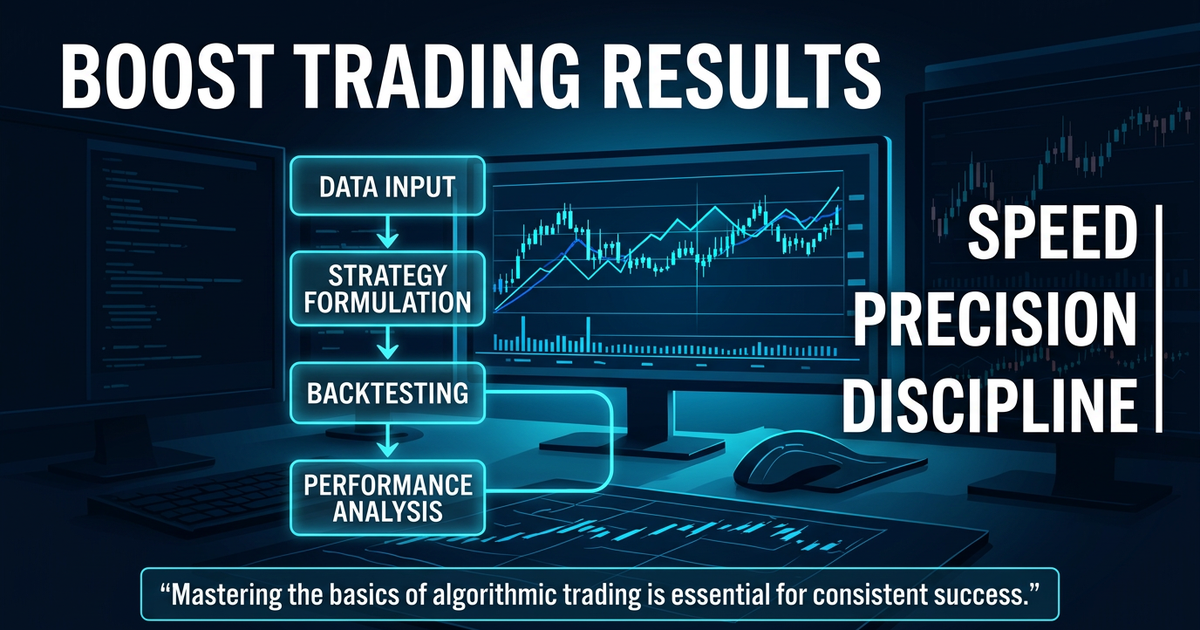
A successful algorithmic trading system typically includes a trading strategy, market data feed, a robust execution platform, and effective risk management protocols. Understanding these components is crucial for creating efficient trading algorithms. At the heart of any algorithmic trading system is a solid trading strategy. This strategy is the blueprint that will inform every trade the system executes, and therefore, it should be based on rigorous market research and sound investment principles. Once the strategy is established, the next step is gathering and integrating real-time market data, which the algorithm will use to analyze and trigger trades.
Incorporating a robust execution platform ensures that trades are placed correctly at the desired price points. Poor execution can erode the effectiveness of even the most well-designed strategy. Equally important is having comprehensive risk management protocols in place, which protect against potential losses and ensure the system can withstand market volatility. Traders interested in delving deeper can explore courses offered in the Freedom Challenge that discuss these components in detail, providing a practical framework to develop personalized strategies.
Moreover, these components work symbiotically. A strategy without adequate risk management is vulnerable, just as a robust risk management system needs a solid strategic foundation to protect. It's like building a car; each part must not only be flawless but also complement the others seamlessly for optimum performance. With a bit of practice, traders can piece together these components into a cohesive whole that aligns with their trading goals and risk tolerance.
Developing Your First Algorithmic Trading Strategy
For beginners, starting with a simple strategy can be enlightening. Testing and refining these strategies allows traders to learn the intricacies of market dynamics and improve their trading proficiency over time. A journey into algorithmic trading typically begins with defining a clear objective. Is your goal to trade stocks, commodities, or currencies? This choice impacts the design of the strategy you will develop. Understanding Algorithmic Trading involves setting clear strategy parameters, like entry and exit conditions, capital allocation, and risk levels—all elements that need precise definition and continuous adjustment.
Once a basic strategy is in place, it's time to embark on backtesting. Backtesting is crucial as it uses historical data to assess how the strategy performed previously, identifying strengths and weaknesses. This step gives insights into potential tweaks needed to optimize the trading algorithm. For those keen on accelerating their learning curve, online resources and specialized courses offer tailored guidance on crafting winning strategies. By engaging with such resources, traders improve their analytical skills and explore advanced technical indicators that can fine-tune their strategies for better outcomes.
A key aspect to remember is that no strategy is perfect. The markets are constantly changing, necessitating regular revisions and adaptations of any algorithmic system. As traders become more experienced, strategies should evolve, breaking away from basic constructs to incorporate more sophisticated elements like machine learning for predictive insights. Through sustained effort and learning, traders can master the art of algorithmic strategy development, transforming their trading journey from rudimentary approaches to expert levels.
Common Challenges and How to Overcome Them
Algorithmic trading presents its own set of challenges, including technical issues and the need for constant adaptation to market changes. Identifying these challenges and applying strategic solutions can pave the way to a more successful trading approach. A predominant challenge lies in the initial setup phase, where the development of a robust algorithm can be time-consuming and technically demanding. Whether dealing with coding bugs or data feed issues, technical hiccups can interrupt trading operations and affect morale. It's crucial to have a competent team or personal skillset in coding and technical platforms to navigate these challenges effectively.
One effective solution involves collaborating with experienced developers or utilizing Algorithmic Trading educational resources that provide templates and structured learning paths. As the trading system is put to work, another challenge arises—adapting to the market's ever-evolving nature. Markets are influenced by myriad factors, from economic indicators to political events, requiring algorithms to be dynamic and versatile. Regularly updating and testing algorithms ensures they remain relevant and create value over time.
Finally, managing risk tied to algorithmic trading is paramount. Markets can exhibit unpredictable behaviors, making risk management strategies essential to mitigate potential losses. Incorporate stop-loss mechanisms, diversify your portfolio, and use historical data analyses to foresee potential pitfalls. Leveraging tools and insights from expert platforms such as Dux Academy can provide both the technical knowledge and market insights necessary to confront these challenges. By preparing for these obstacles and seeking continuous knowledge, traders can turn potential hurdles into stepping stones in their algorithmic trading journeys.
Harnessing the Power of Algorithmic Trading
Exploring the basics of algorithmic trading opens up new avenues for enhancing your trading performance. By thoroughly understanding the principles and developing valuable algorithms, you can reveal the full potential of algorithmic trading, giving you an edge in the competitive financial markets.
« Back to Blog
Related Articles
Why Are Algorithmic Trading Basics Important?
5 minute read
05/29/2025 2:45pm
How Does a Market Entry Strategy Affect Trading Success?
4 minute read
05/29/2025 2:50pm
15 Essential Tools for Effective Trading Performance Analysis
10 minute read
05/29/2025 2:55pm