Data & Tools · September 23, 2024 · 5 min read
What is Trading Performance Analysis?
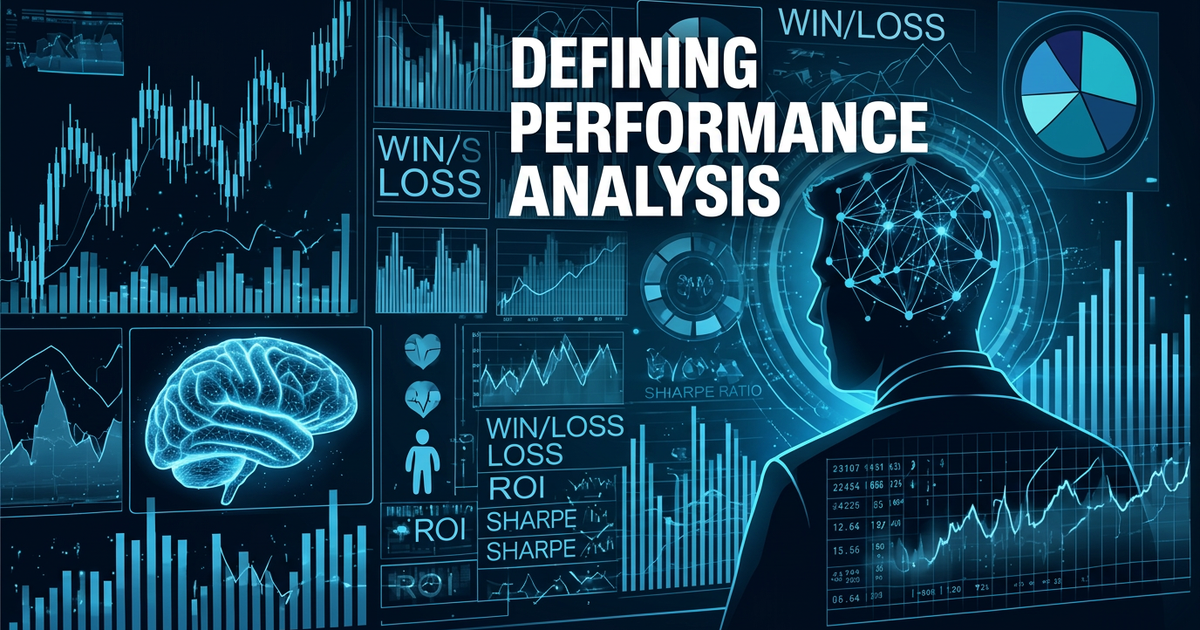
Ever wondered how traders make decisions that seem almost prescient? Behind their success is the potent tool of trading performance analysis. Let’s break down this complex topic into digestible bites, making it as easy to grasp as your morning coffee chat.
Understanding the Basics of Trading Performance Analysis
Before diving deep, it’s crucial to understand what trading performance analysis entails and why it's the lifeline of trading strategies. This section will outline the primary components and objectives, making the concept clear and accessible.
At its core, trading performance analysis involves a systematic evaluation of past trading activities to comprehend successes and failures. By looking back, traders gain insights into what's working and what's not, adjusting their strategies for better future performance.
The journey into trading performance analysis starts with data—lots of it. From trade execution times to the sizes of wins and losses, each piece of data serves as a puzzle piece in the bigger picture of a trader’s performance.
Key Metrics to Measure
Discover the core metrics that traders rely on to evaluate their performance, from return on investment (ROI) to the Sharpe ratio. Knowing what to measure is the first step to improvement.
Other crucial metrics include win/loss ratio, drawdown percentage, and the expectancy score. Each of these indicators can provide deep insights into different aspects of trading effectiveness and risk management.
Win/loss ratio, for instance, offers a direct look at a trader's success rate, while the drawdown percentage shows the largest percentage loss from a peak to a trough. Similarly, the expectancy score predicts future profitability based on historical results, making it a powerful tool for traders.
Analytical Tools and Software
In today’s digital age, various tools and software simplify the analysis process. This section will cover the most effective tools that help in detailed performance analysis, tailored for both novices and experienced traders.
From complex trading platforms that offer in-depth analytics to simpler apps that track daily trades, the market is flush with options. Key features to look for include real-time analysis, historical data comparison, and customizable reports.
Many of these tools also offer simulations and what-if scenarios, allowing traders to test their strategies without financial risk. This feature is particularly valuable for honing skills and adjusting strategies based on potential outcomes.
Strategies for Improving Trading Performance
Analysis is only as good as the actions it inspires. Here, we’ll discuss strategies to leverage the insights gained from your analysis, aiming at consistent improvement in trading decisions.
One effective approach is to focus on minimizing losses rather than maximizing wins. By adopting a risk-averse strategy, traders can preserve their capital and stay in the game longer, giving them more opportunities to benefit from their winning trades.
Another strategy involves continuous learning and adaptation. The market is always changing, so what worked yesterday may not work tomorrow. Regular review of trading performance and willingness to adapt strategies accordingly are key to long-term success.
The Role of Psychology in Trading
Trading is not just about numbers; it's also about the psychology behind the decisions. This section will explore how psychological factors affect trading performance and how to manage them.
Emotional discipline, for example, plays a critical role in trading success. Fear and greed, if not managed, can lead to impulsive decisions that stray from a well-thought-out trading plan. Learning to recognize and mitigate these emotional responses is crucial.
Moreover, building confidence through small, consistent wins can also help in managing the psychological aspects of trading. It’s about creating a positive feedback loop that bolsters a trader’s strategy and decision-making process over time.
Turning Data into Decisions: The Journey Ahead
Trading performance analysis is more than a set of numbers and graphs; it's a roadmap to personal and financial growth for traders. By understanding the nuances of performance metrics, strategies, and psychological factors, any trader can turn data into valuable insights, leading to more informed decisions. Start small, stay disciplined, and use the tools and methods discussed to navigate the trading world more adeptly. Remember, the goal is not just to improve trades but to foster a continuously learning mindset that thrives on analysis and improvement.
Join Steven Dux Trading Community
If you're looking to enhance your trading knowledge and skills, consider joining the Steven Dux Trading Community. Led by multimillionaire trader Steven Dux, this community provides a wealth of resources, including exclusive educational content, live trading sessions, and a supportive network of like-minded traders.
As a member, you'll gain insights into Steven Dux's proven trading strategies, risk management techniques, and the psychological aspects of trading. Whether you're a beginner looking to start your trading journey or an experienced trader seeking to refine your skills, the Steven Dux Trading Community offers a unique opportunity to learn from one of the most successful day traders in the industry.
Don't miss this chance to elevate your trading game. Visit our website today to learn more about the Steven Dux Trading Community and how you can become a part of this exclusive group of traders.
« Back to Blog
Related Articles
Why Algorithmic Trading Basics Matter for Every Trader
8 minute read
09/23/2024 3:34pm
The Impact of Day Trading Education on Your Financial Journey
7 minute read
09/23/2024 3:29pm
Decoding the Market Entry Strategy: A Path to Trading Success
7 minute read
09/23/2024 3:15pm