Data & Tools · April 21, 2024 · 10 min read
The Role of Algorithmic Trading Basics in Developing a Profitable Trading Strategy
Getting a grip on algorithmic trading basics is essential if you're aiming to craft a winning trading strategy. Here's the deal - algorithmic trading is all about using computer programs to buy and sell stocks at lightning-fast speeds. These programs follow set rules based on timing, price, quantity, or any mathematical model. Imagine having a robot trader that executes orders based on your strategy, minus the emotion. That's algorithmic trading for you. It's not just for the big players like mutual funds or institutional investors; even individual traders are getting in on the action. By setting up precise instructions, traders can manage risk more effectively, achieve better prices, and even avoid significant price changes during large orders. And here's the kicker – it's all automated. Once you've got your strategy programmed, the system takes over, trading at the best possible times without you having to stare at a screen all day. Spot on for optimizing performance and seizing opportunities that would be too fast for a human to catch.
Understanding How Algorithms Influence the Market
Algorithms play a big part in today's stock market, more than you might realize. Think of them as computer programs that buy and sell stocks fast, very fast. They're designed to make these moves based on set rules or conditions. Because they work so quickly, they can react to market changes faster than any human can. This speed and efficiency can have a big impact on the market. For starters, they can help stabilize prices by providing constant buy and sell orders. But, they can also cause rapid price changes if a lot of these algorithms try to do the same thing at the same time. Plus, they're behind a lot of the trading volume on stock exchanges, making markets more liquid. This means you can buy or sell stocks easier without affecting their price too much. Understanding this is key to developing a trading strategy that can keep up with or even outsmart these algorithms.
The Advantages of Using Algorithmic Trading
Algorithmic trading, or using computers to execute trades based on predefined criteria, comes with several game-changing benefits. First off, it's fast. Really fast. We're talking milliseconds to execute orders, ensuring you get in or out at the desired price point. It also cuts the emotional decision-making out, sticking strictly to logic and data. No panic sells or FOMO buys here. Plus, it can run all day, every day. The market's open? Your algorithm's on it, no sleep needed. Then there's backtesting. Before risking a dime, you can simulate your strategy against historical data to see how it would have fared. Lastly, it scales easily. Got a strategy that works? Amplify it without breaking a sweat. In a nutshell, algorithmic trading could be your edge in a competitive market.
Step-by-Step Guide: Developing Your First Algorithmic Trading Strategy
First up, know what you're dealing with. Algorithmic trading is when you use computer programs to buy and sell stocks fast. Really fast. It's like hiring a robot to do your trading. Step one, get your basics straight. Know your assets. Stocks, bonds, forex? Pick your playground. Next, get cozy with some trading software. There's plenty out there. Find one that doesn't make you want to pull your hair out.
Now, the fun begins. Create a simple strategy. Start with something like moving averages. If the 50-day moving average crosses above the 200-day one, maybe it's time to buy. Or if it's the other way round, time to sell. Keep it simple. Test your strategy. Most software lets you do this without risking a dime. Run your strategy with historical data. See how it would have done.
Tweak it. Your first try won't be perfect. Adjust your strategy based on what you learned. More risk? Less? It's all up to you. Finally, go live. Start with small money. See how it does in the real world. Keep an eye on it, but not too much. Remember, the whole point is letting the algorithm do its thing.
And that's it. Your first dip into algorithmic trading. Don't expect overnight success. It's all about tweaking and learning. Stick with it. Who knows? You might just crack the code.
Common Mistakes to Avoid in Algorithmic Trading
When diving into algorithmic trading, it's easy to trip over some common mistakes. One big mistake is not testing your strategy enough. Think of your algorithm like a car. You wouldn't drive a car without making sure it works properly, right? So, test your strategy with historical data before going live. This process is called backtesting. Another misstep is overcomplicating your strategy. Keep it simple. Complex algorithms aren't always better. Sometimes, they just add more room for errors. Also, don't ignore transaction costs. They might seem small, but they add up and can eat into your profits. Remember, low and steady can win the race. Finally, many traders forget about the importance of a solid risk management plan. It's like heading into a storm without an umbrella. A good plan helps you weather bad trades and keep trading another day. Avoid these pitfalls, and you're on your way to a more effective and profitable algorithmic trading strategy.
Tools and Software Essential for Algorithmic Trading
In the world of algorithmic trading, the right tools and software aren't just helpful—they're critical. First off, you'll need a solid trading platform. This is where all your planning and trading happens. Look for one that gives you real-time data and the ability to test your strategies without risking actual money. Next up, you'll need backtesting software. It lets you check how your strategy would have fared in the past before you let it loose in the current market. Crucial, right? Also, can't forget about data feeds. You need accurate and up-to-the-second market data to make informed decisions. Lastly, consider getting a direct market access (DMA) system. It allows your trades to go directly to the market, reducing delays. These tools can make or break your algorithmic trading strategy, so choose wisely.
Backtesting Your Trading Algorithms for Success
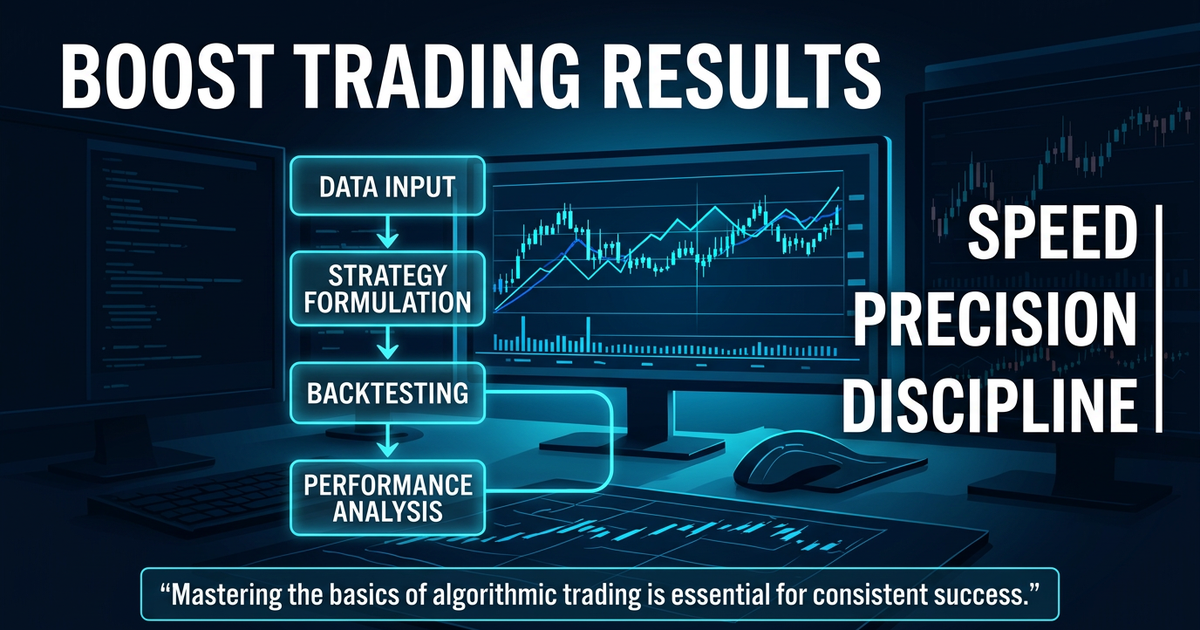
Backtesting your trading algorithms is a crucial step toward your success in the market. It's like running a rehearsal before the actual performance. You take your trading strategy and test it against historical market data to see how it would have performed. This tells you a lot about the potential success of your strategy without risking real money. Think of it as a simulator for your trading ideas.
The process involves a few simple steps. First, you define your trading strategy's rules. Then, you apply these rules to past market data. You're looking to answer questions like, "Did my strategy make a profit?" and "How often did it win versus lose?" The beauty is, you get a feel for your strategy's effectiveness over different market conditions without the financial risk.
It's not all sunshine, though. Backtesting has its pitfalls. The main one is overfitting. This is when your algorithm works perfectly on past data because it's too tailored to those specific conditions. It's like memorizing answers for a test without understanding the subject. It won't work well in real, unpredictable markets.
Despite the potential drawbacks, backtesting is an indispensable tool in your arsenal. It enables you to refine your strategies, boosting your confidence before you dive into live trading. Remember, a strategy that performs well in backtesting is more likely to succeed in real markets, but there are no guarantees. Keep refining, keep testing. That's the path to algorithmic trading success.
How to Optimize Your Trading Strategy for Better Results
Optimizing your trading strategy is crucial to getting better results and making sure your investments work harder for you. First, get to know the data. Understand market trends, historical data, and how external factors like news can influence the market. Use this information to make informed decisions. Next, test your strategy. Use backtesting with past market data to see how your strategy would have performed. This step is key in spotting strengths and weaknesses. Also, incorporate risk management. This means setting stop-loss orders to minimize potential losses and knowing when to take profits. This discipline is vital for long-term success. Keep tweaking. The market changes, so should your strategy. Regularly review and adjust your strategy based on performance data and new market information. Finally, consider using algorithmic trading tools. They can help automate and refine your trading process, making it more efficient and potentially more profitable. By following these steps, you can optimize your trading strategy to achieve better results.
Real-Life Success Stories: Algorithmic Trading
Many traders have turned their trading around by embracing algorithmic trading. Take Sarah, for example. She was struggling to keep up with the fast-paced nature of the stock market. After incorporating algorithmic trading into her strategy, her profits soared. By using algorithms, she could execute trades at the best possible prices without being glued to her computer screen all day. Then there's Mike, who used algorithmic trading to diversify his trading strategies across different markets, reducing his risk and improving his portfolio's performance. These success stories highlight a key point: algorithms aren't just about automating trades; they're about making smarter, data-driven decisions that can lead to significant improvements in trading outcomes. Whether you're a newbie or an experienced trader, the lesson here is clear: understanding and applying algorithmic trading basics could be a game-changer for your strategy.
The Future of Algorithmic Trading in Your Strategy
Algorithmic trading is not just the future; it's the here and now of successful trading strategies. As markets evolve, those without it might find themselves left behind. By automating trades, you reduce emotional decisions, increase speed, and potentially boost profits. Whether a novice or an experienced trader, incorporating algorithmic elements into your strategy could mean the difference between lagging and leading in the financial markets. Remember, technology in trading will only advance, and keeping pace means staying educated, adaptable, and open to new ways of operating. Make algorithmic trading a part of your toolkit, and you might just see your trading performance soar.
Join Dux Trading
If you're looking to take your trading to the next level, consider joining Dux Trading. Dux Trading is led by renowned day trader Steven Dux, who holds the verified record for the largest trade ever made in the day trading space. With his proven track record and extensive knowledge, Steven Dux has helped numerous traders achieve success through his educational programs and trading strategies.
By joining Dux Trading, you'll gain access to exclusive educational resources, trading tools, and a supportive community of like-minded traders. Whether you're a beginner looking to learn the ropes or an experienced trader seeking to refine your skills, Dux Trading has something to offer. With Steven Dux's guidance and the power of algorithmic trading, you can take your trading performance to new heights.
To learn more about Dux Trading and how you can benefit from Steven Dux's expertise, visit our website today. Don't miss this opportunity to learn from one of the most successful day traders in the industry and unlock your full potential in the world of trading.
« Back to Blog
Related Articles
Supply and Demand in Stock Trading: Understanding Crowd Behavior
6 minute read
04/21/2024 6:19pm
5 Key Points to Understanding Trading Leverage Explained for New Traders
10 minute read
04/21/2024 5:46pm
5 Essential Components of Stock Market Training for New Traders
9 minute read
04/26/2024 11:26am